Microcentrifuges are compact instruments designed for small-volume tubes. They are commonly used for rapid pelleting, nucleic-acid preparation, sample clarification and other molecular biology workflows.
Their small rotors can reach relatively high centrifugal forces while occupying little bench space. Depending on the model, they can support standard microtubes, capillary tubes, PCR strips or small clinical tubes.
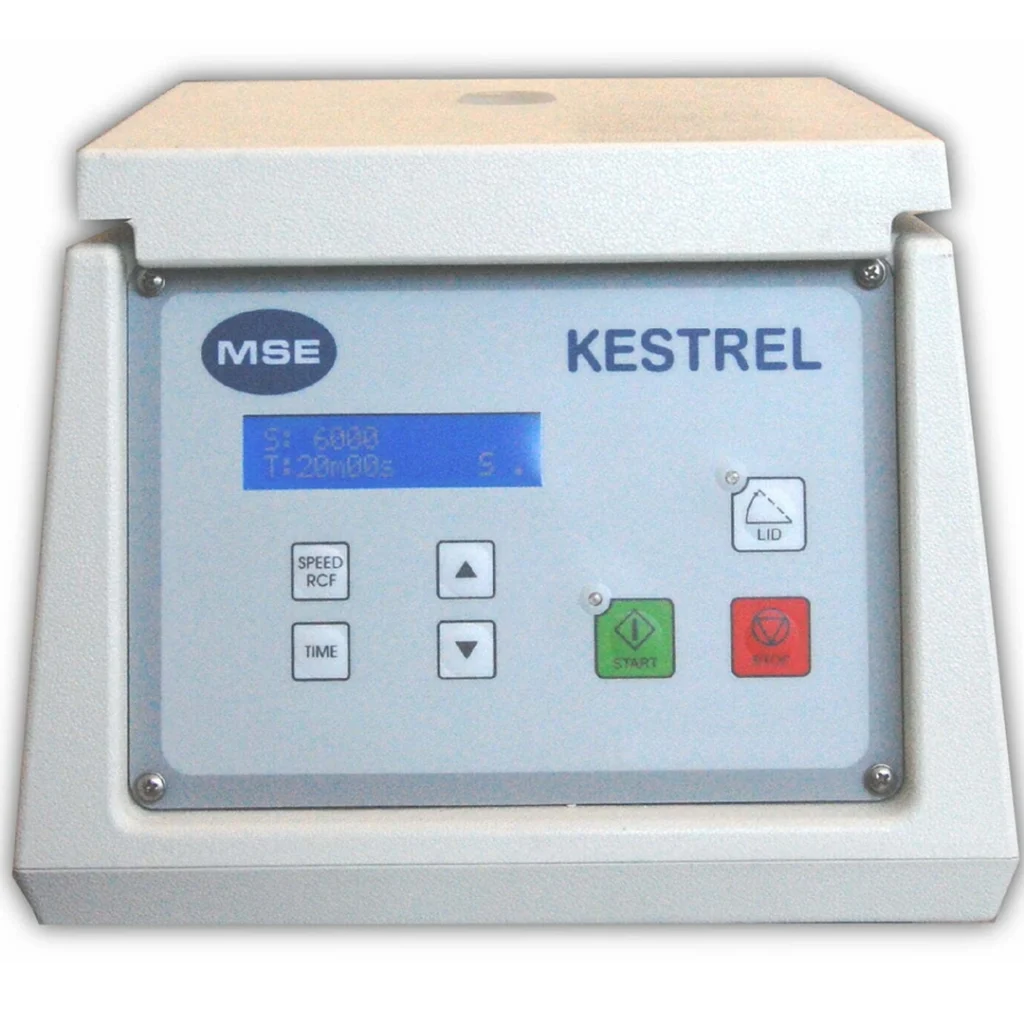
Microcentrifuge
Delivers robust performance for routine clinical and laboratory use
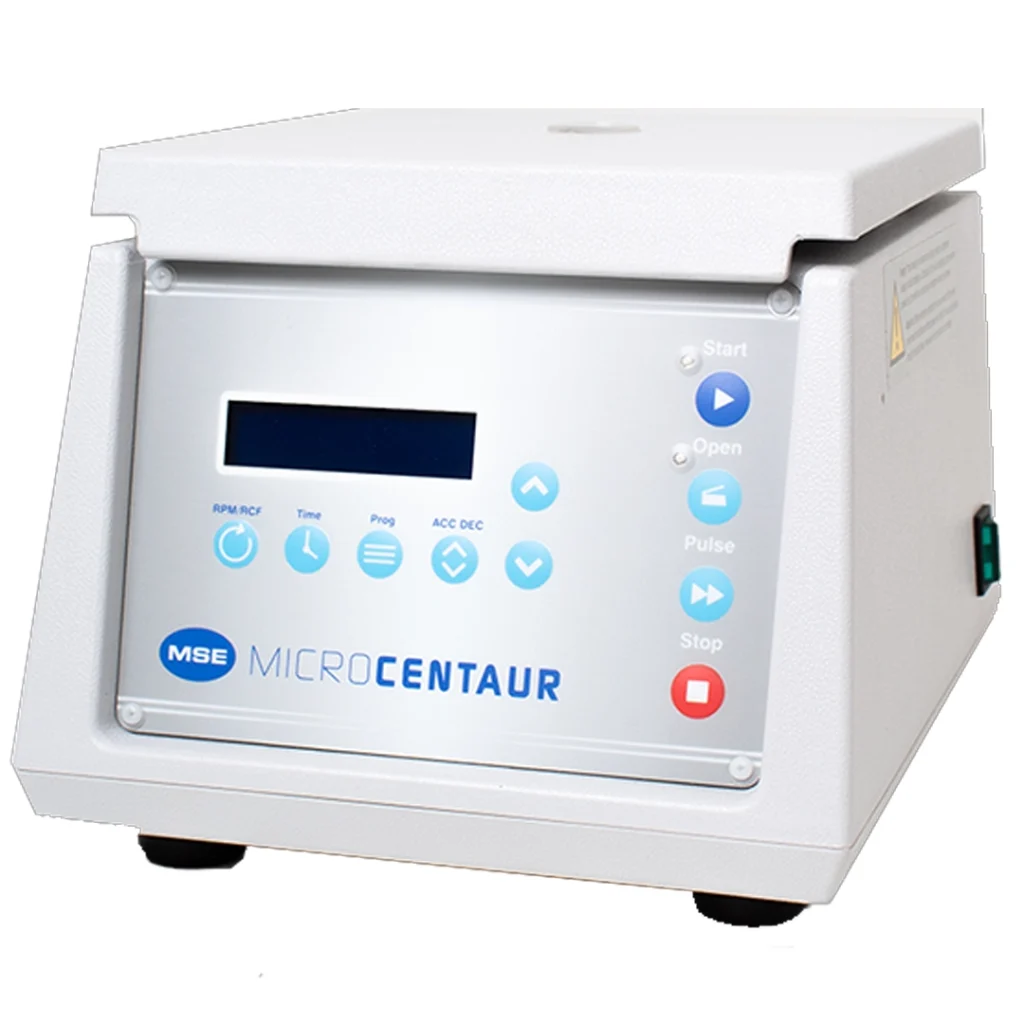
Micro Centaur centrifuge
Designed for everyday laboratory applications that require precision
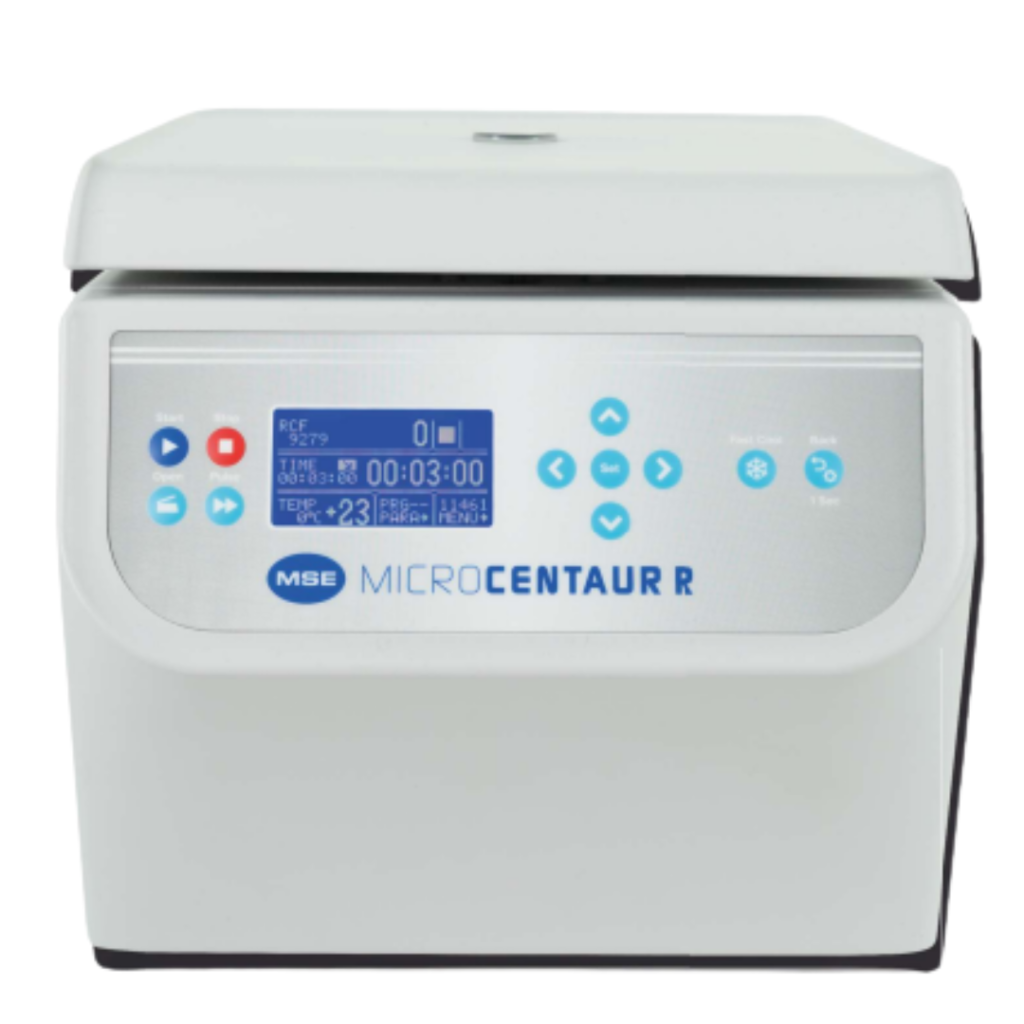
Micro Centaur R centrifuge
Refrigerated microcentrifuge that delivers temperature-controlled performance
Benchtop centrifuges provide more capacity and rotor flexibility than most microcentrifuges while remaining suitable for installation on a laboratory bench.
They can support different tube sizes, bottles and rotor configurations. This makes them suitable for general sample preparation, clinical testing, cell processing and routine research applications.
Harrier benchtop centrifuge
Medium-capacity benchtop centrifuge with or without active cooling
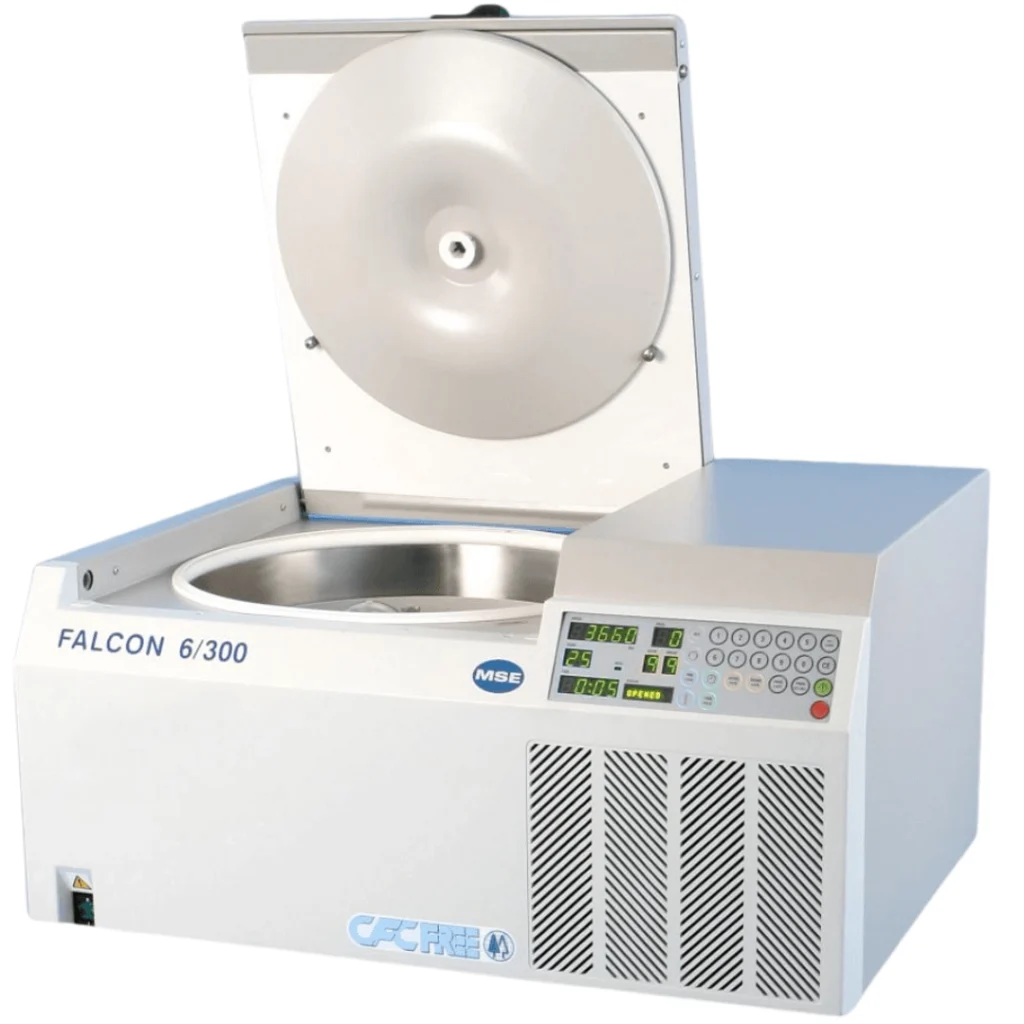
Falcon benchtop centrifuge
Designed for high-volume sample processing in medical, biochemical, industrial, and research laboratories
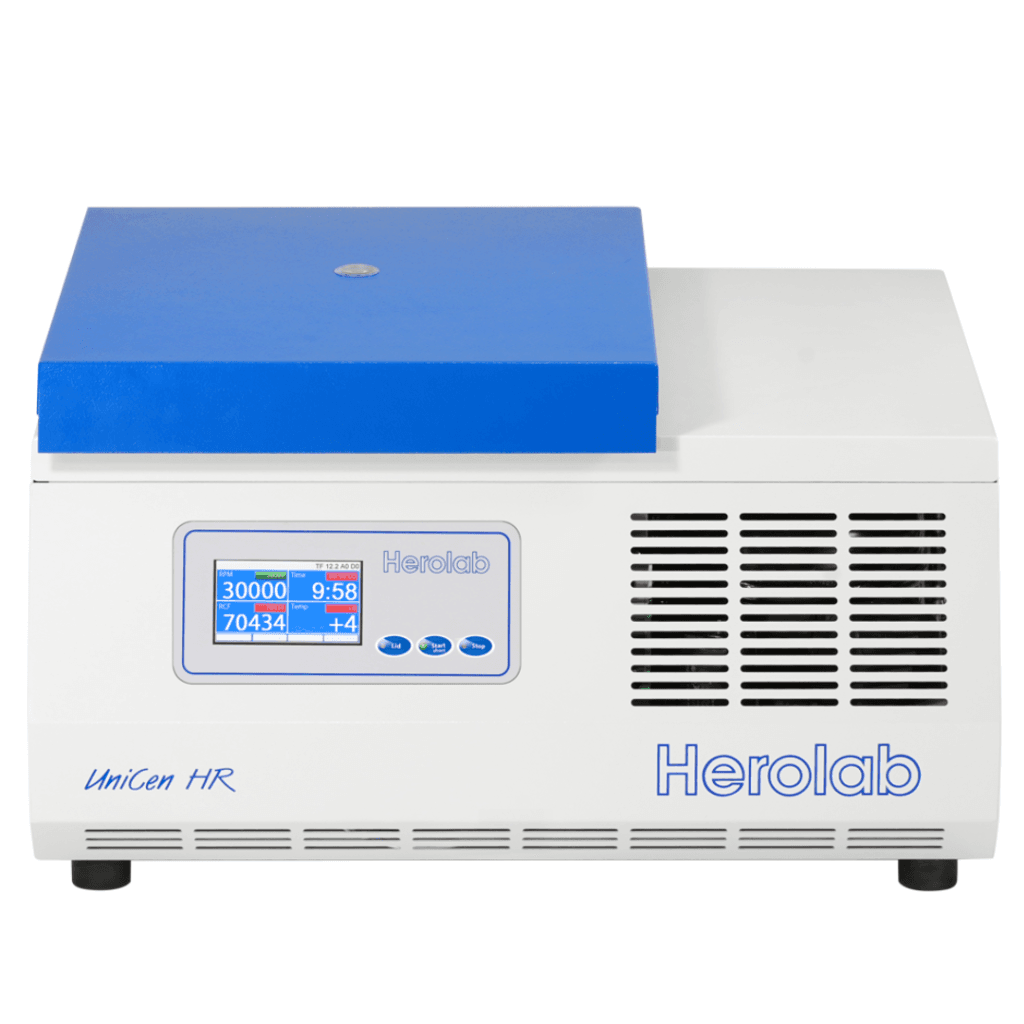
Blue Line centrifuges
High-speed benchtop centrifuges with or without refrigeration
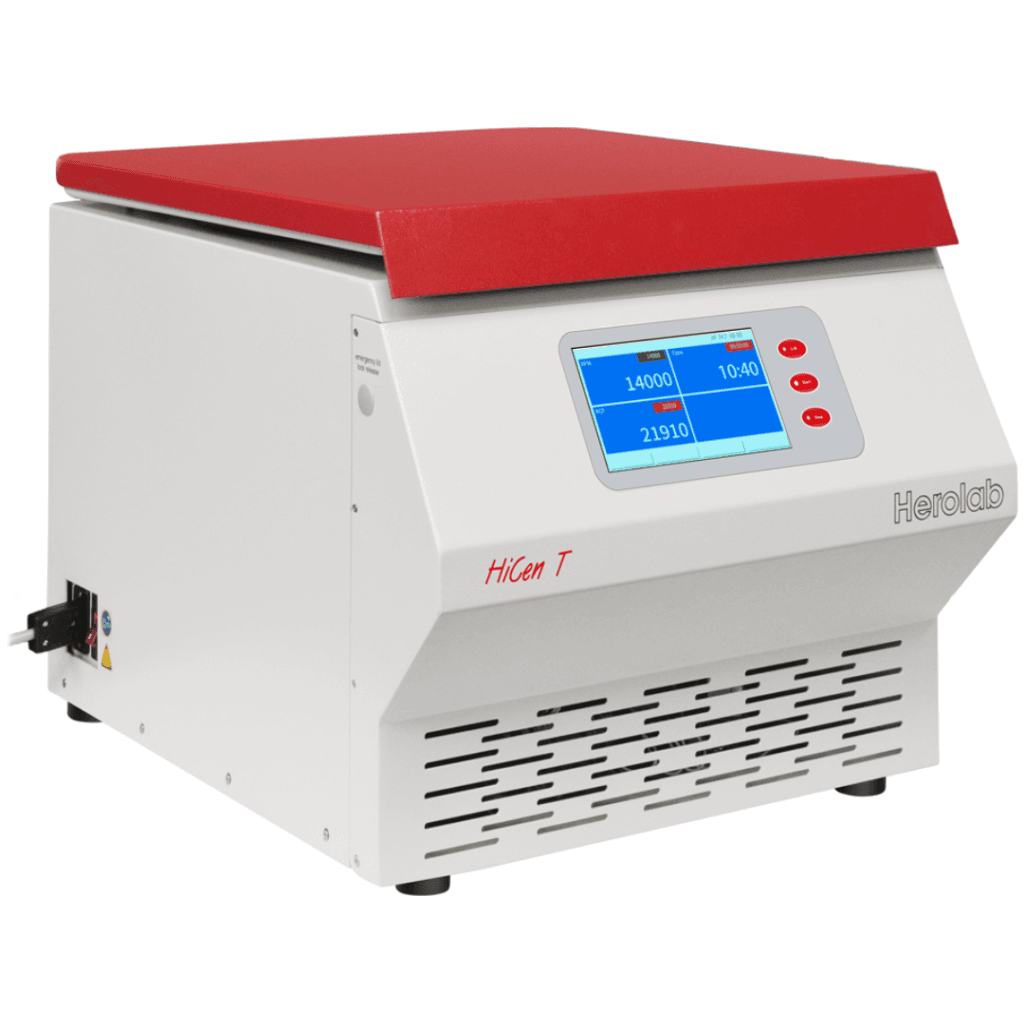
Red Line centrifuges
Different models available with sample volumes of 24 × 0.2 mL up to 6 × 1,000 mL
Floor-standing centrifuges are designed for larger sample volumes and higher-throughput workflows. Their larger cabinets can accommodate high-capacity rotors and larger sample containers.
These centrifuges are commonly used in blood processing, pharmaceutical laboratories, biotechnology and facilities processing large sample batches.
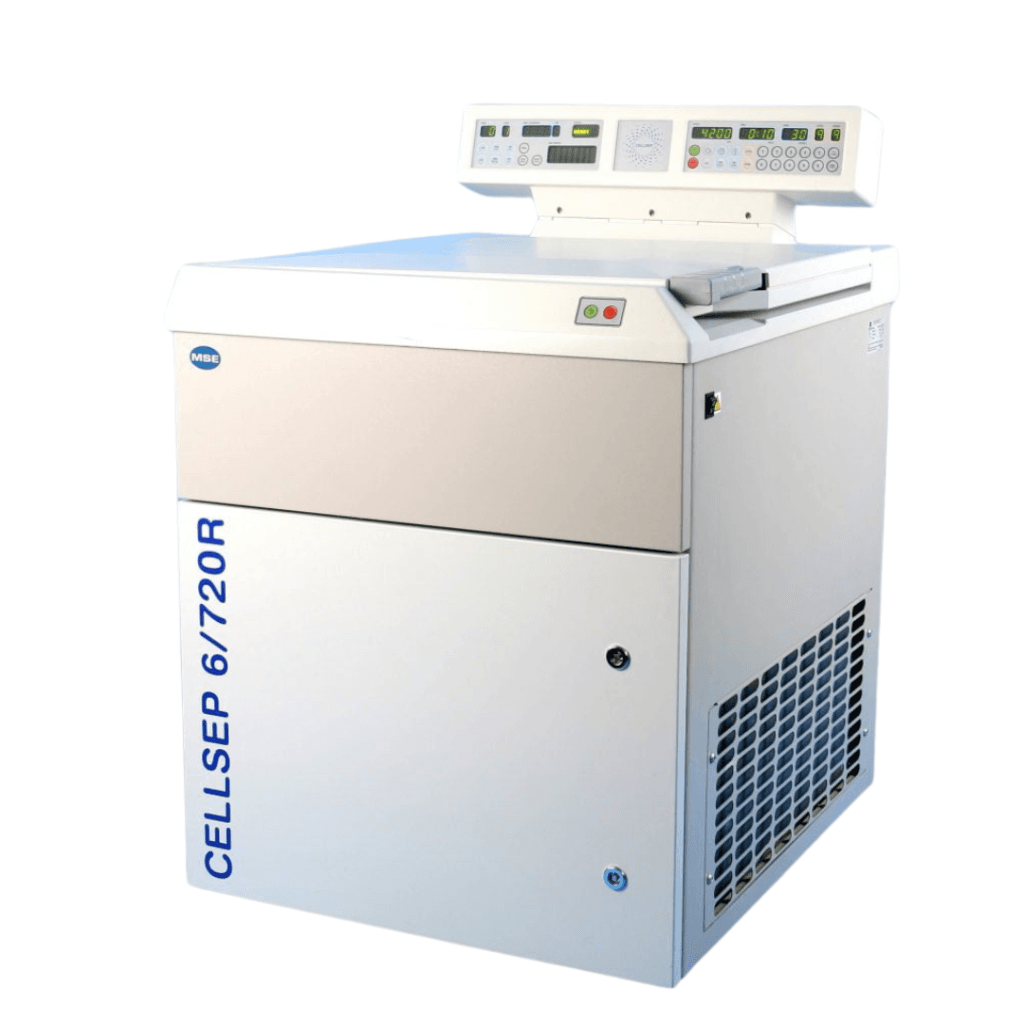
CELLSEP 6/720R
Floor-standing refrigerated centrifuge for routine and production laboratory applications
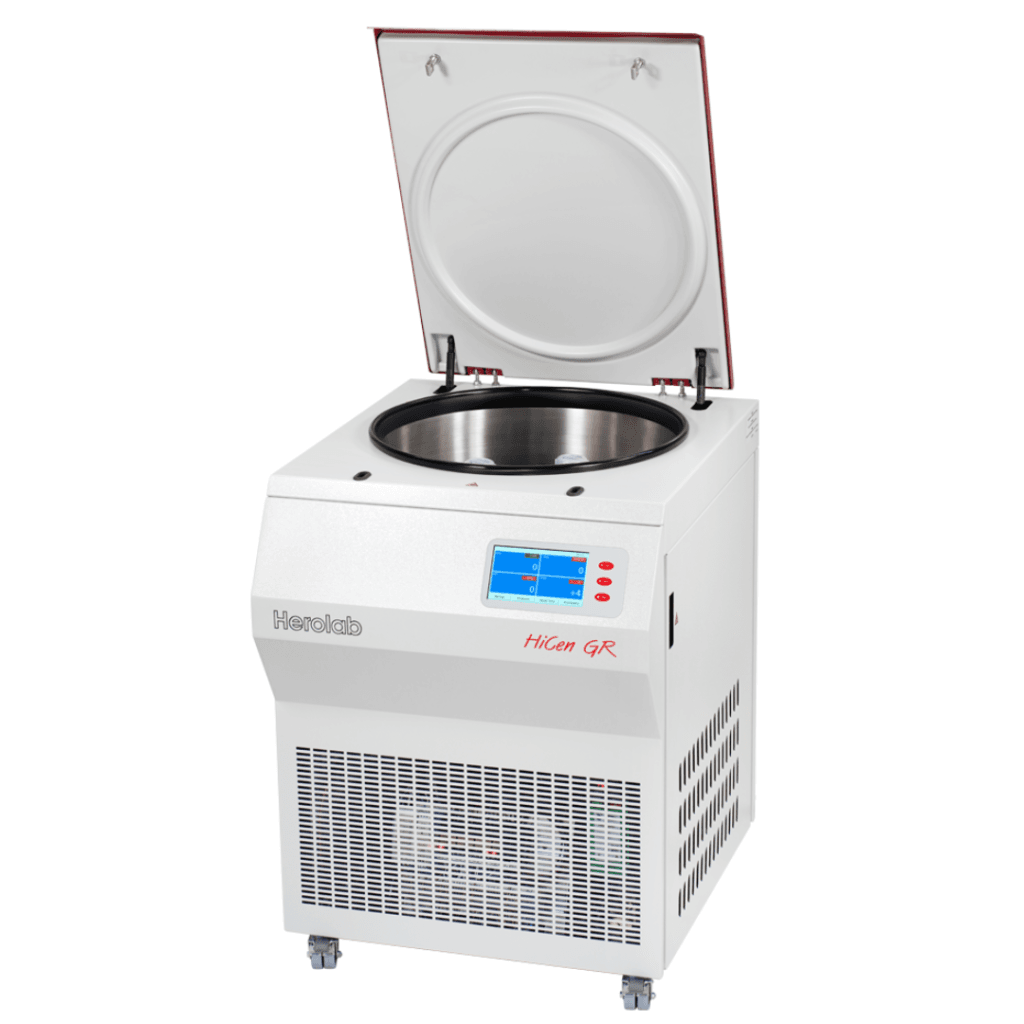
BlueForce 12L R
High-capacity, refrigerated floor-standing centrifuge
Red Line centrifuges
Different models available with sample volumes of 24 × 0.2 mL up to 6 × 1,000 mL
Refrigerated centrifuges control chamber temperature during operation. This helps protect temperature-sensitive samples from the heat generated during prolonged or high-speed centrifugation.
Refrigeration is particularly relevant when working with live cells, proteins, enzymes, nucleic acids and other biological materials whose stability may be affected by temperature changes.
Harrier R benchtop centrifuge
Medium-capacity benchtop centrifuge with or without active cooling
Micro Centaur R centrifuge
Refrigerated microcentrifuge that delivers temperature-controlled performance
CELLSEP 6/720R
Floor-standing refrigerated centrifuge for routine and production laboratory applications
BlueForce 12L R
High-capacity, refrigerated floor-standing centrifuge
Blue Line centrifuges
High-speed benchtop centrifuges with or without refrigeration
Red Line centrifuges
Different models available with sample volumes of 24 × 0.2 mL up to 6 × 1,000 mL
High-speed centrifuges generate greater centrifugal forces for applications that require the separation of smaller particles or more demanding sample preparation.
The required speed should always be selected according to the method and expressed primarily as relative centrifugal force. The same RPM can produce different RCF values depending on the rotor radius.
Blue Line centrifuges
High-speed benchtop centrifuges with or without refrigeration
Red Line centrifuges
Different models available with sample volumes of 24 × 0.2 mL up to 6 × 1,000 mL