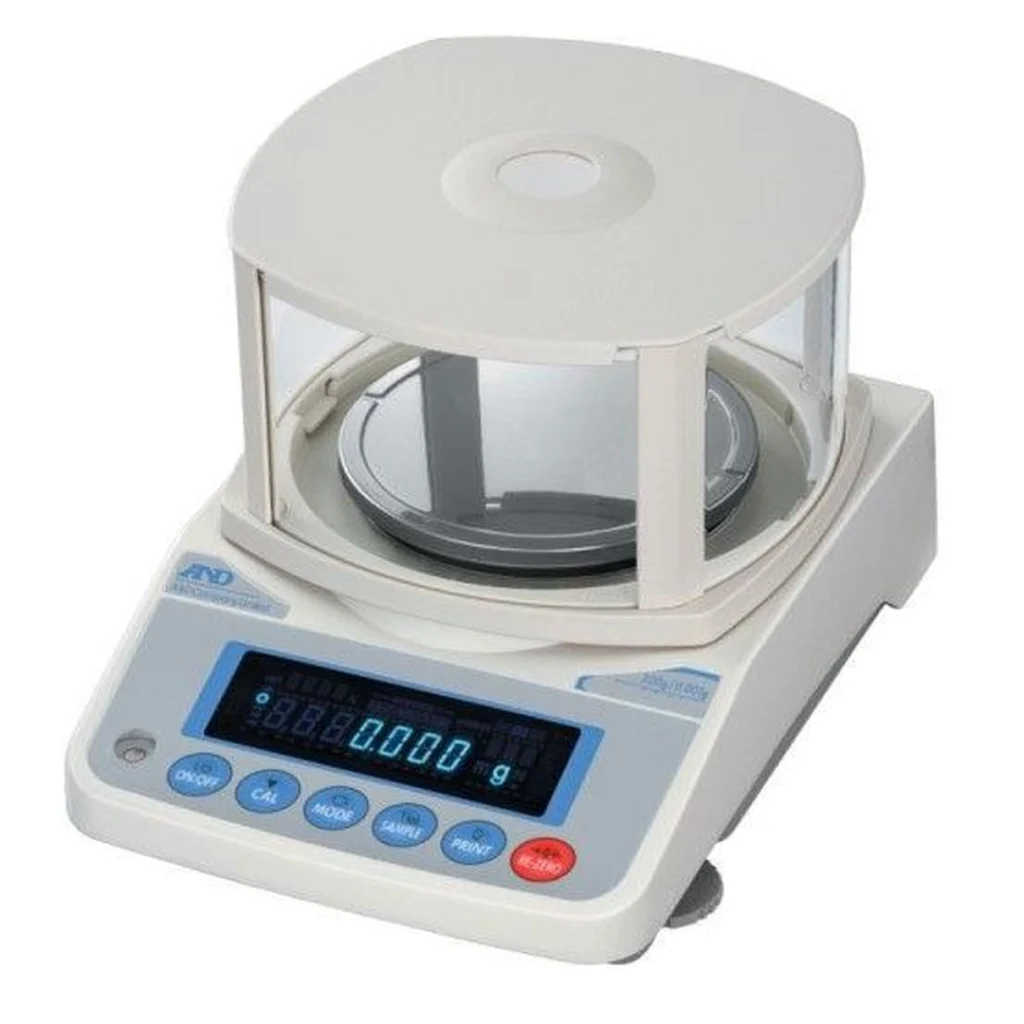
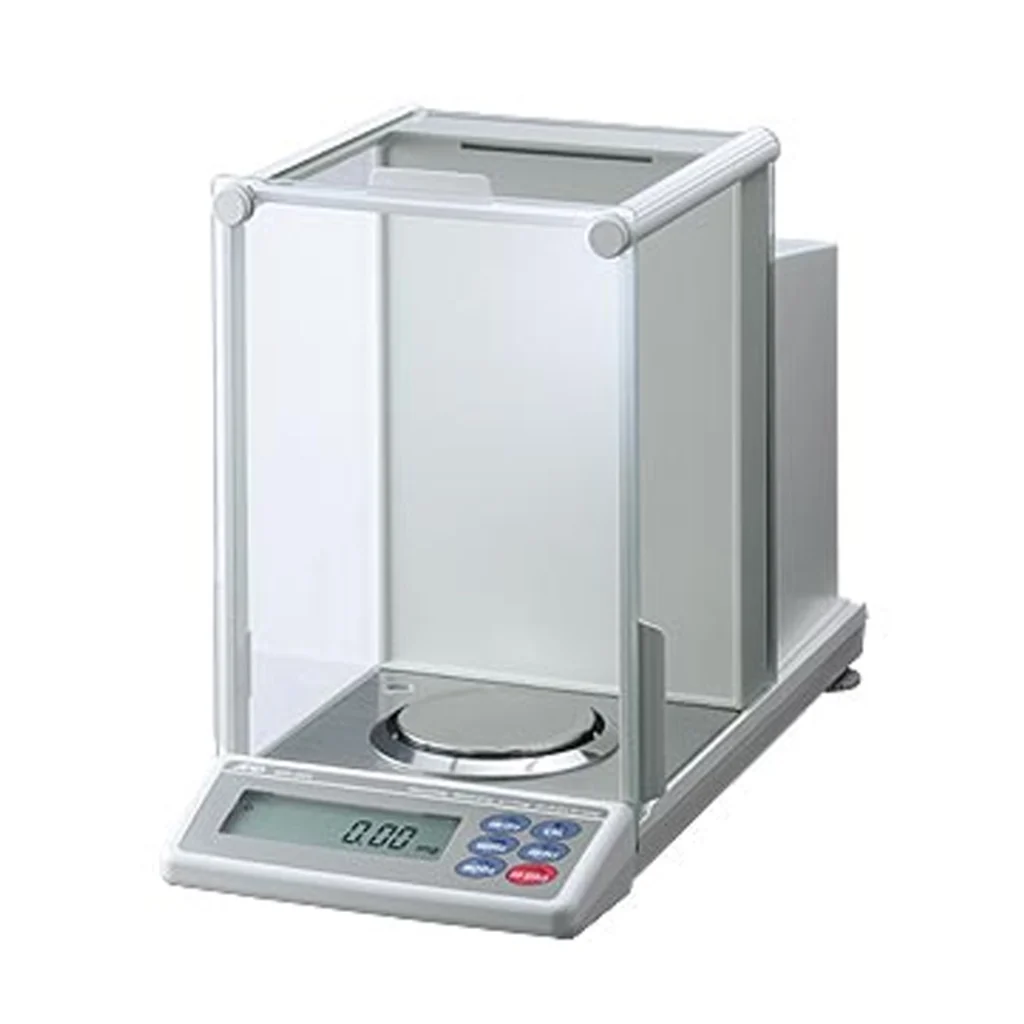
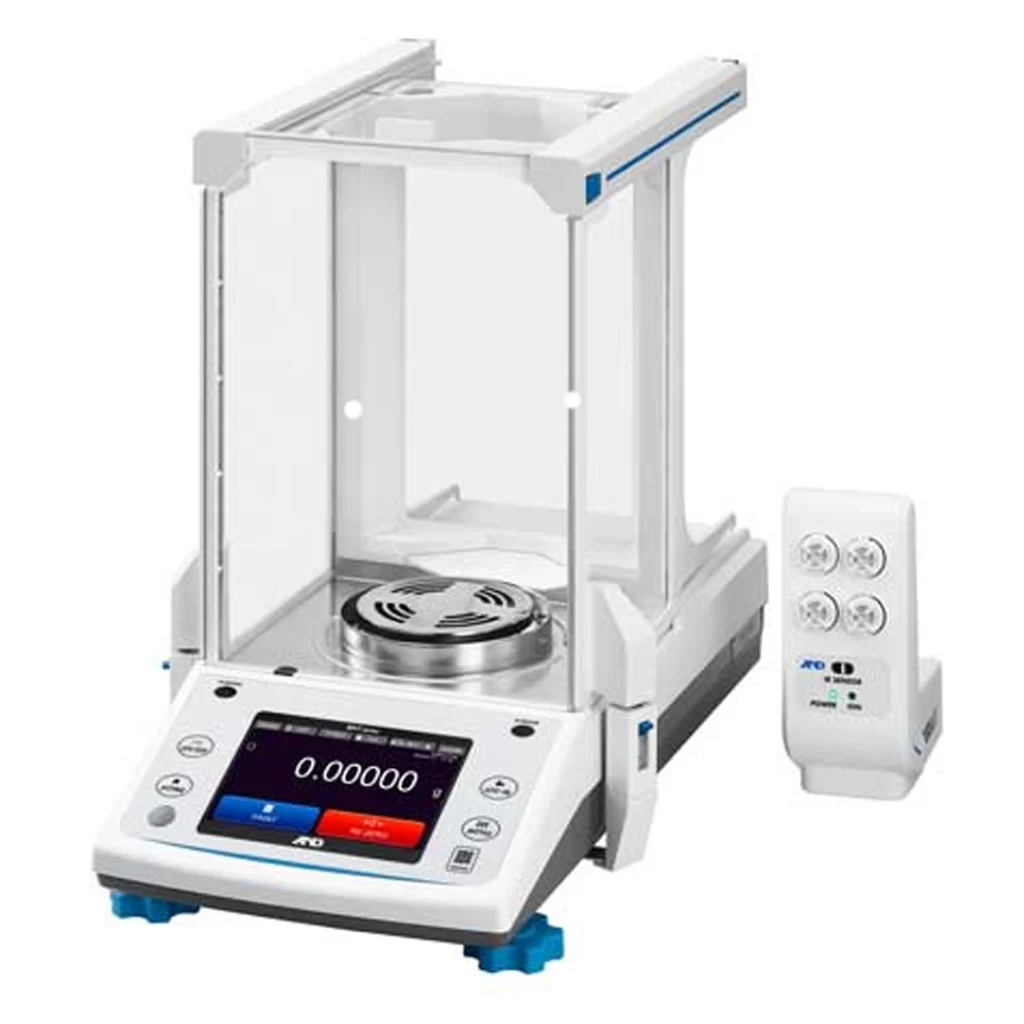
Precision balances are designed for routine weighing tasks that do not require analytical or micro-level readability. Depending on the model, they typically display mass in increments from 0.001 to 0.1 g.
Their higher capacities make them suitable for larger samples, containers and formulation components. Many precision balances use an open, top-loading design, although draft shields may be fitted to models with finer readability.
Precision balances are commonly used for:
- General sample preparation
- Formulation and batching
- Quality control
- Raw-material weighing
- Counting and percentage weighing
- Laboratory and production applications
FXi-WP Series
Dust and waterproof precision balance with external calibration
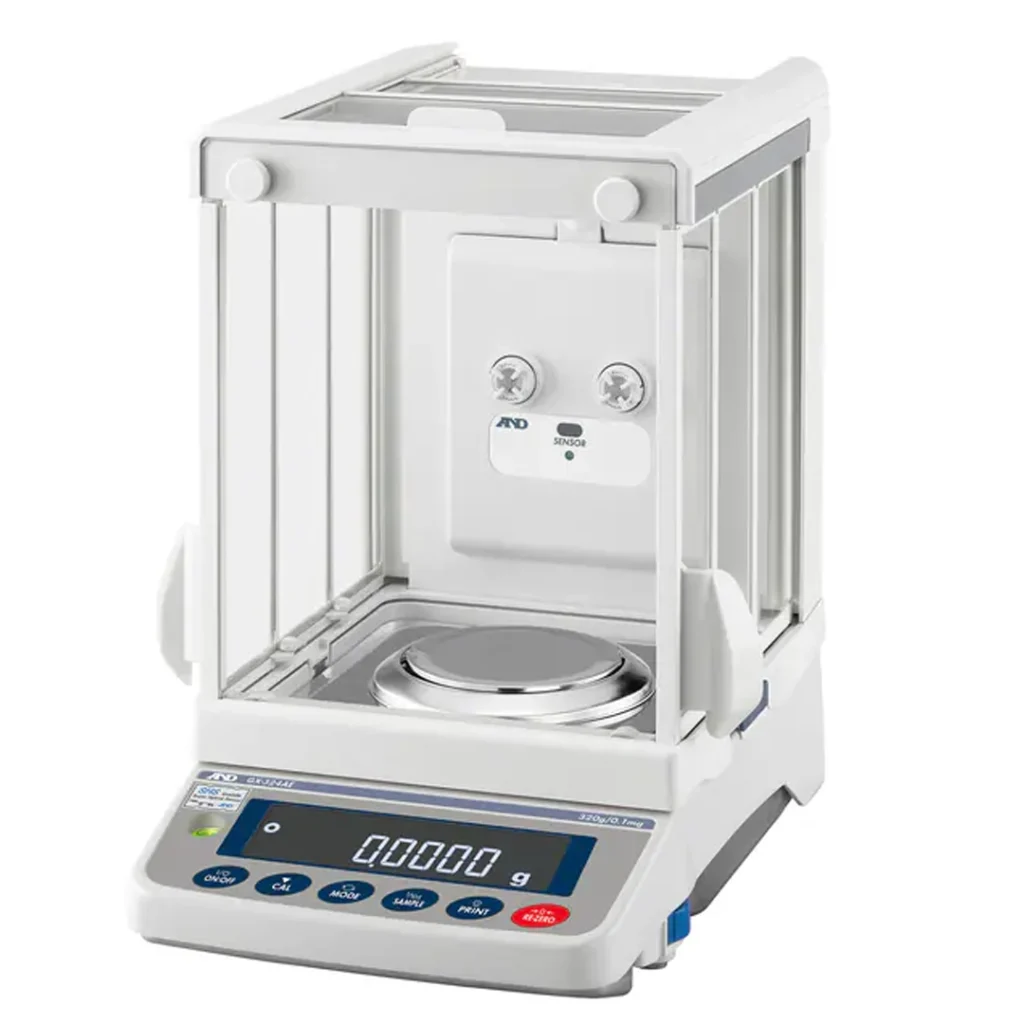
Apollo GX-A/GF-A Series
Precision balances with several functions for automated checking, weighing control, and documentation
Fortis FZ(-WP)/FX(-WP) Series
Compact precision balances
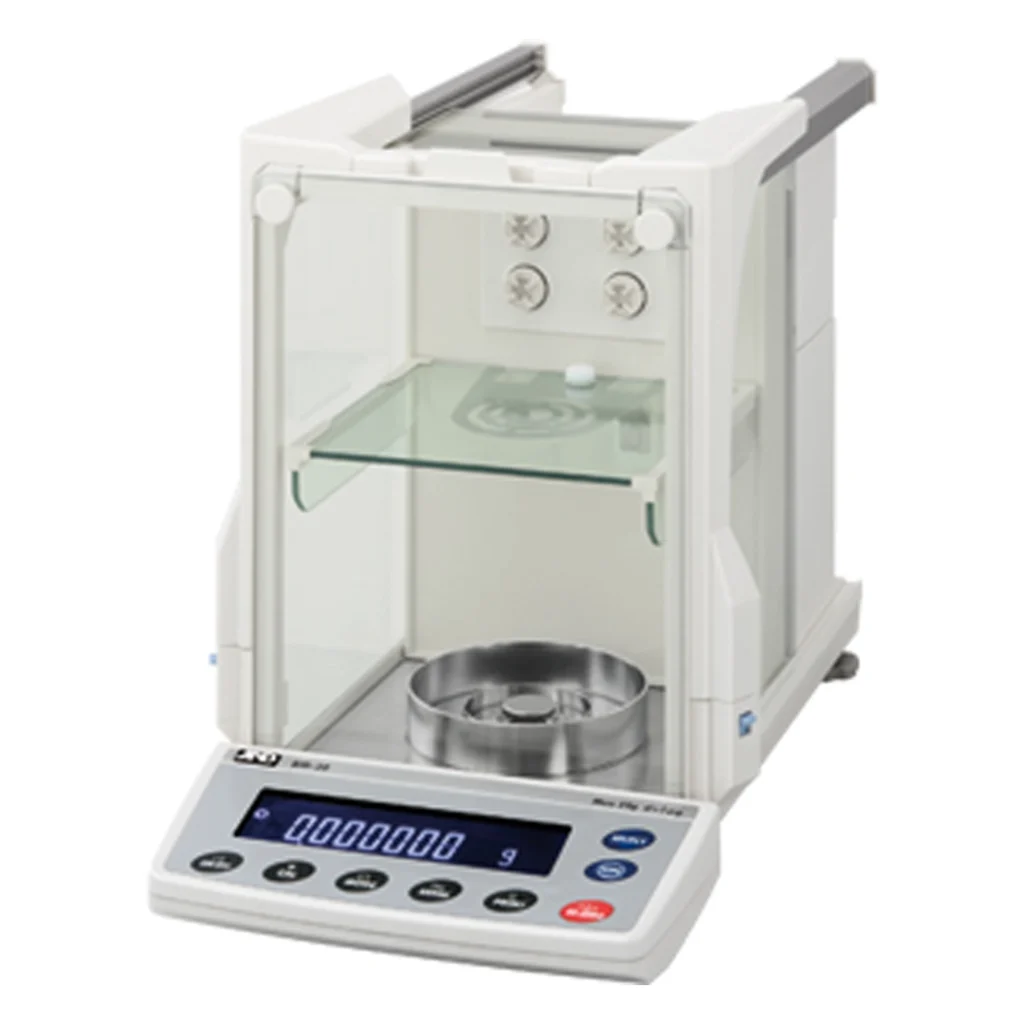
Analytical balances typically provide a readability of 0.1 mg. They are used when laboratory work requires considerably finer resolution than a precision balance can provide.
These balances normally include a draft shield because air movement can affect measurements at this level. A stable surface and suitable environmental conditions are also important for repeatable results.
Analytical balances are suitable for:
- Preparing reference standards and solutions
- Quantitative sample analysis
- Pipette testing
- Pharmaceutical and chemical formulation
- Quality-control measurements
- Density determination
Apollo GX-A/GF-A Series
Analytical balances with 1-second stabilization and static control
Galaxy HR Series
Analytical balance with Compact Super Hybrid Sensor
Semi-micro balances typically provide a readability of 0.01 mg. They offer finer resolution than standard analytical balances while retaining more practical capacities than most microbalances.
They are particularly useful when only small quantities of valuable or limited material are available. Their higher sensitivity means that vibration, air movement, temperature variation and static electricity must be carefully controlled.
Semi-micro balances are suitable for:
- Small-sample formulation
- Low-dose pharmaceutical work
- Research and development
- Reference-material preparation
- High-precision quantitative analysis
Borealis BA Series
Semi-micro balances providing ultra-high precision weighing
Phoenix GH Series
Semi-micro balances with Ordinal Electromagnetic Sensor weighing technoloy
BH-T Series
All models include an external ionizer for static elemination
Ion BM Series
Semi-micro balances with auto-self calibration
Gemini GR Series
Semi-micro balance with small footprint
Microbalances provide readability down to 0.001 mg, or one microgram. They are designed for weighing very small quantities and detecting extremely small changes in mass.
Measurements at this level are highly sensitive to vibration, air currents, temperature changes and electrostatic charge. Microbalances therefore require controlled conditions and careful sample handling.
Microbalances are commonly used for:
- Filter weighing
- Trace analysis
- Emissions and particulate testing
- Material research
- Very small or valuable samples
Borealis BA Series
Microbalances that deliver ultra-high precision
Ion BM Series
All models come standard with a built-in ionizer for static elemination
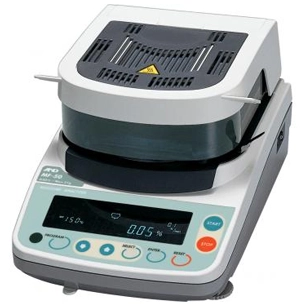
Moisture analyzers combine a weighing system with an integrated heating unit. They determine moisture content by monitoring the change in sample mass during drying.
The instrument weighs the sample before and during heating. It then calculates the moisture result from the mass lost as water and other volatile components leave the sample. This loss-on-drying approach avoids using a separate drying oven and repeated manual weighing.
Moisture analyzers are commonly used for powders, granules, food products and raw materials. The appropriate test temperature, sample quantity and endpoint depend on the sample and method used.
Moisture analyzers
Moisture analyzers with straight halogen heating and Super Hybrid Sensor technology