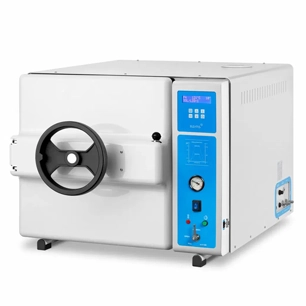
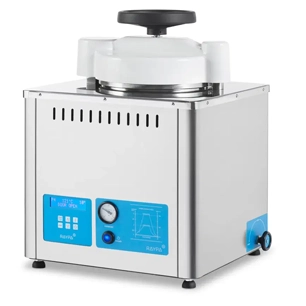
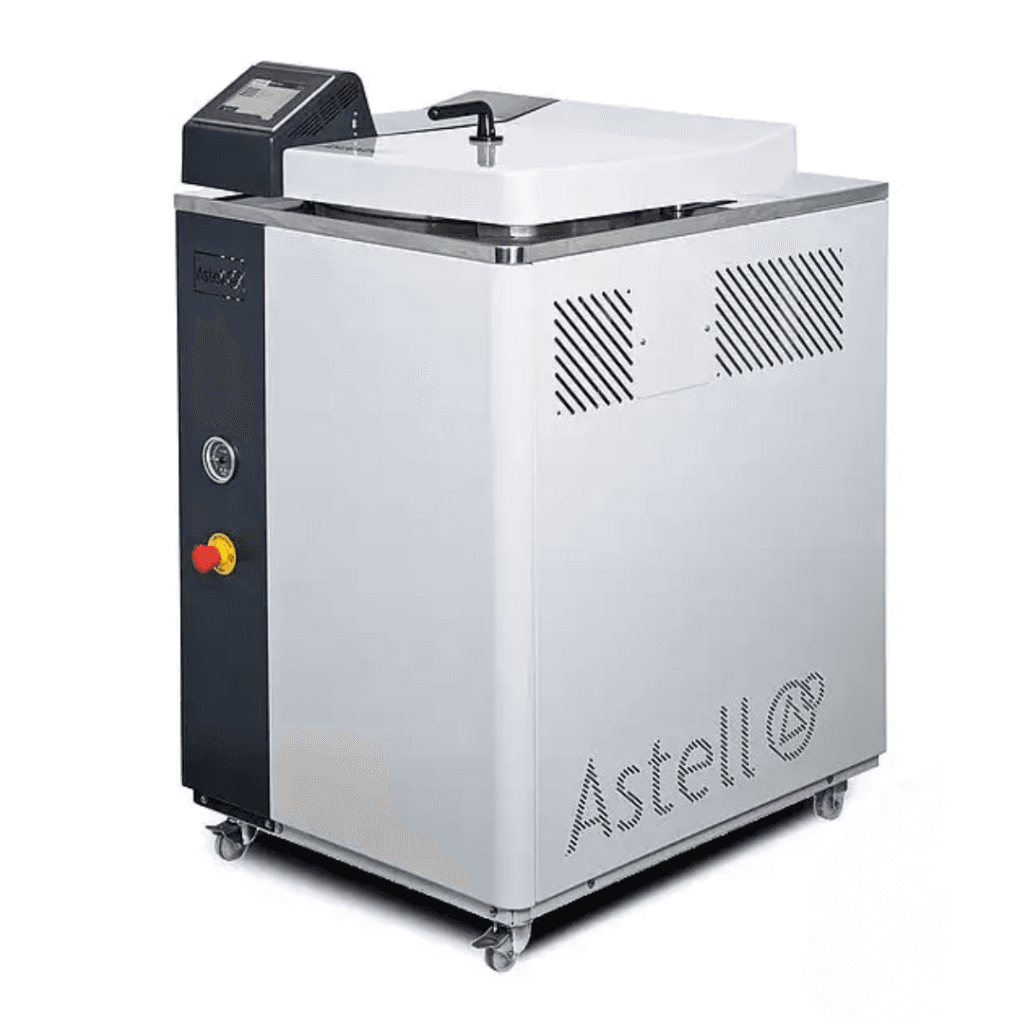
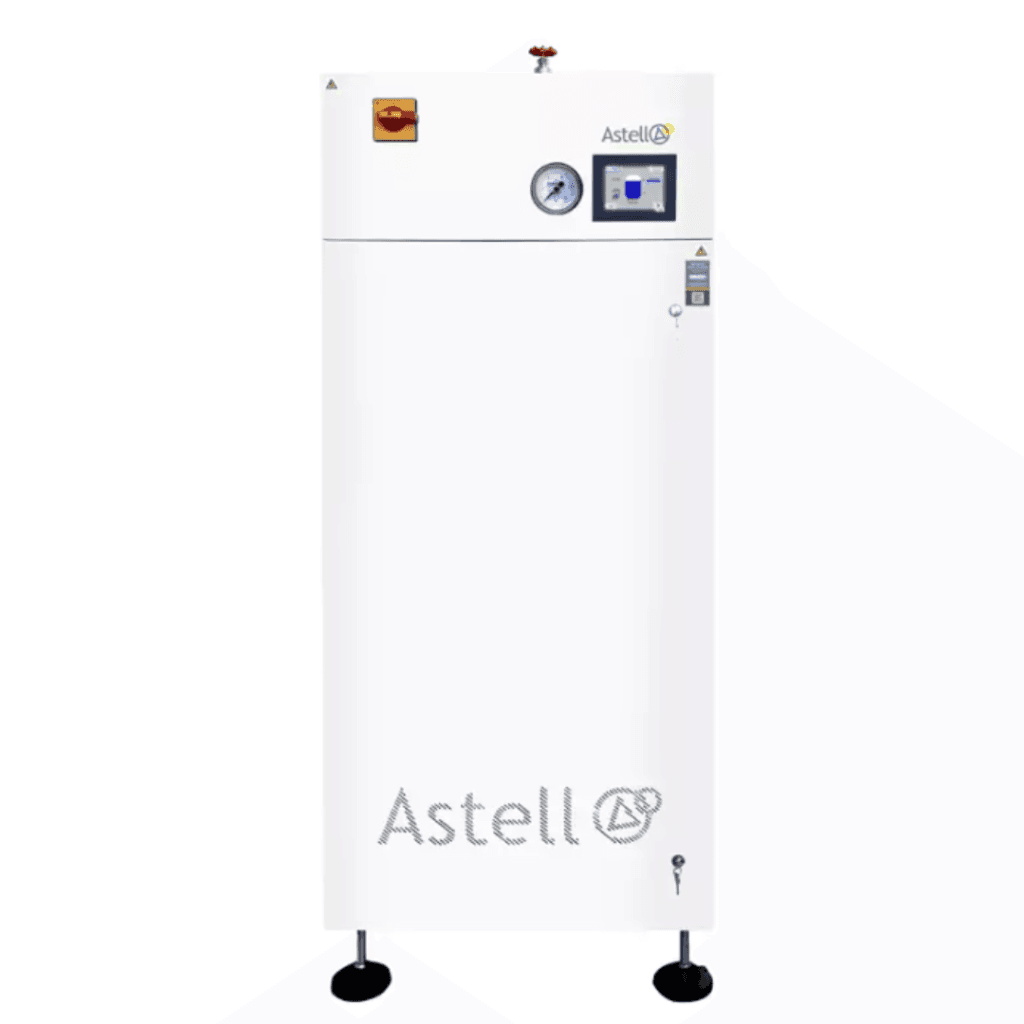
Benchtop autoclaves are compact systems designed for laboratories with limited installation space or lower to moderate throughput. Depending on the model, they may use front-loading or top-loading access.
Their smaller chambers are suitable for routine processing of glassware, instruments, culture media, liquids and autoclavable laboratory materials. Available configurations range from straightforward units without drying to models with prevacuum and drying.
AHS-B Series
Benchtop laboratory autoclave with prevacuum and drying
AHS-N Series
Front-loading benchtop autoclave without drying for a wide range of solid and liquid loads
CFS-H Series
Benchtop autoclave to cook, pasteurize or sterilize packaged foods
AVS-N Series
Top-loading benchtop autoclaves without drying for basic sterilization requirements
AHS-DRY Series
Horizontal benchtop autoclave with drying
Autoclave with drying
Autoclave designed to sterilize and dry wrapped items commonly used in healthcare
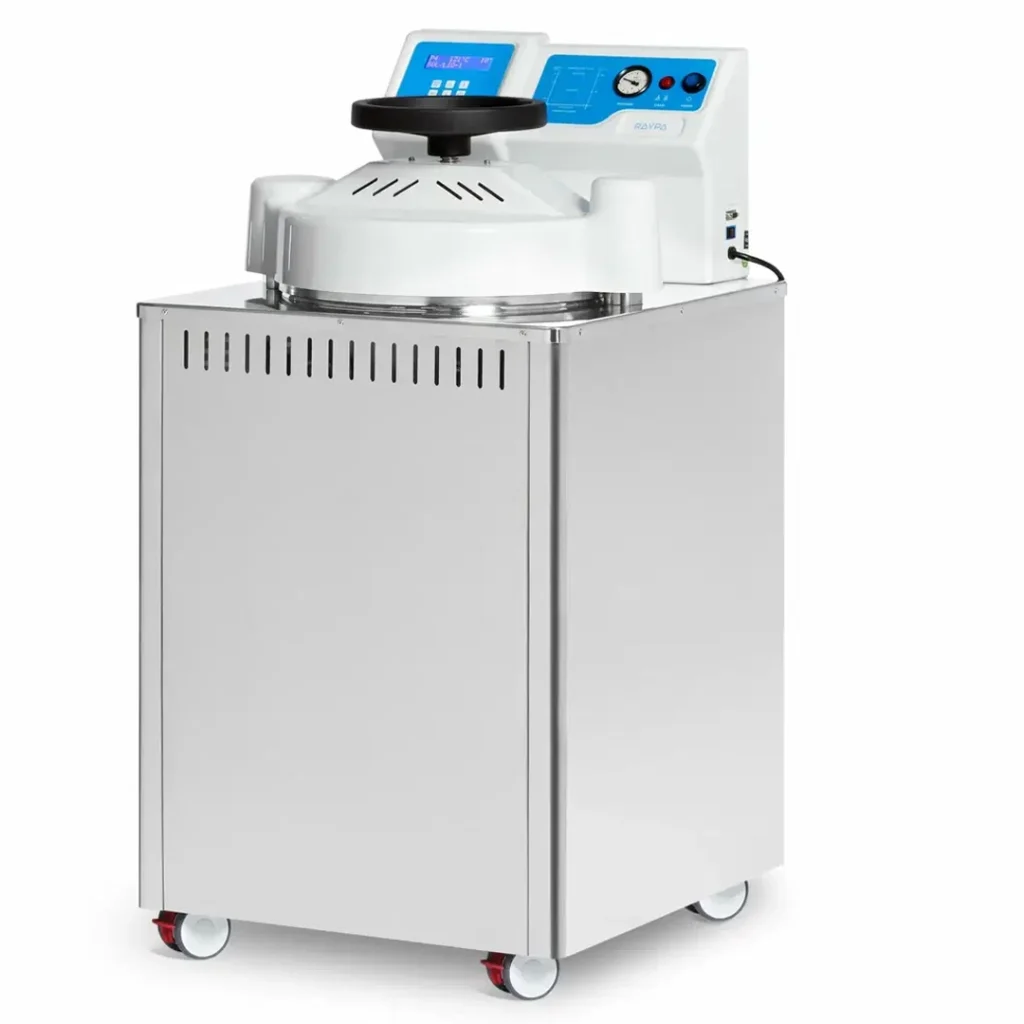
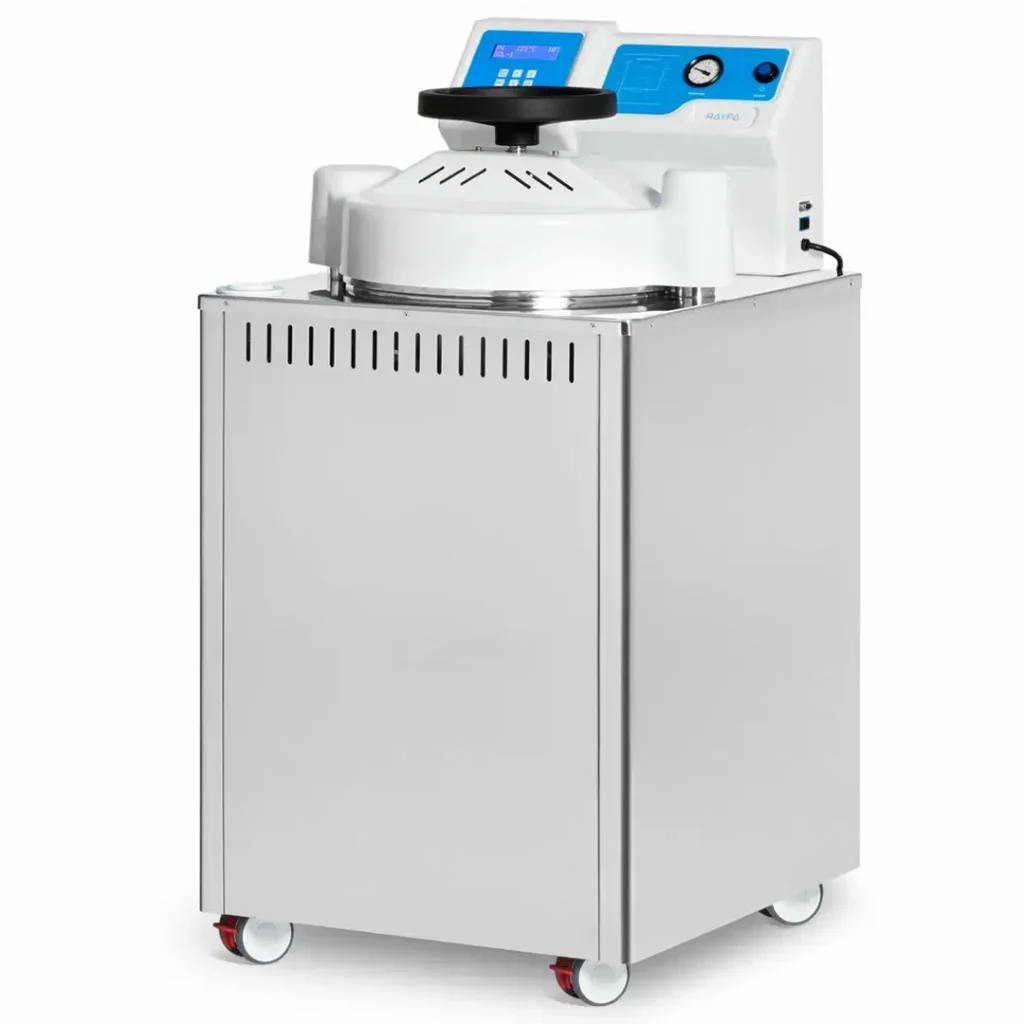
Vertical autoclaves are floor-standing systems with a top-loading chamber. This construction provides considerable chamber capacity without requiring the width of a comparable horizontal system.
They are suitable for routine laboratory sterilization and are available with different cycle technologies. Options include drying, prevacuum, fast cooling and pressure support for specific load types.
TLV-S Series
Vertical autoclave for the sterilization of solid and liquid loads
CFS-V Series
Vertical autoclave with pressure support for the food industry
AES Series
Vertical autoclave without drying to sterilize laboratory materials
AE-DRY Series
Vertical autoclaves with drying, designed for industrial, educational, and research facilities
AE-MP Series
Standard culture media preparators
AE-B Series
Vertical autoclave with prevacuums and drying
TLV-PD Series
Vertical autoclaves with super-drying system
TLV-FA Series
Vertical autoclave with fast cooling system for liquids
Top-loading autoclave
135 liter top-loading autoclave with increased chamber sizes
Front-loading autoclave
Ideal for sterilizing liquids (media), waste, and glassware
Batch Effluent Decontamination Systems
Uses batch sterilization for treating high-throughput effluent
Standalone steam generator
Ideal for systems needing instant steam in short, repeated high peaks
These systems are intended for laboratories requiring larger chambers, increased throughput or more than one sterilization chamber. Their construction helps process larger or more frequent loads than conventional benchtop systems.
Duaclave
Autoclave with two identical chambers stacked one above the other
SQUARE ECO autoclave
Designed with price and economy in mind, with increased usable capacity
SQUARE MAX autoclave
Easy customizable autoclave that can sterilize almost anything
Autoclaves with drying include an additional phase that removes residual moisture after sterilization. Depending on the system, drying may use vacuum, heat or a combination of technologies.
Drying is particularly useful for wrapped instruments, porous materials and textiles. Residual moisture can affect packaging integrity and make sterilized items unsuitable for immediate storage.
AE-DRY Series
Vertical autoclaves with drying, designed for industrial, educational, and research facilities
AHS-B Series
Benchtop laboratory autoclave with prevacuum and drying
TLV-PD Series
Vertical autoclaves with super-drying system
AE-B Series
Vertical autoclave with prevacuums and drying
AHS-DRY Series
Horizontal benchtop autoclave with drying
Autoclave with drying
Autoclave designed to sterilize and dry wrapped items commonly used in healthcare
Autoclaves with prevacuum use a vacuum pump to remove air from the chamber before steam enters. This reduces the risk of trapped air preventing direct steam contact with the load.
Prevacuum is particularly important for porous materials, wrapped instruments and objects with complex geometries. These loads can retain air more easily than simple glassware or open containers.
AHS-B Series
Benchtop laboratory autoclave with prevacuum and drying
AE-B Series
Vertical autoclave with prevacuums and drying
TLV-PD Series
Vertical autoclaves with super-drying system