
How to achieve accurate weighing in your lab
Accurate and precise weighing is essential in almost every lab process. While advanced balances and software help, the right equipment alone isn’t enough. Proper weighing depends on two key factors:
- Choosing the right location for your balance
- Operating the balance correctly
Let’s explore how to create the ideal weighing environment and avoid common errors.
Creating the ideal weighing environment
Room conditions matter
Place the balance in a vibration-free room, away from drafts and electrostatic charges. Keep the temperature stable, avoid spots near windows, doors, or refrigerators, as sudden temperature changes can distort results.
Choose your work surface wisely
Use a solid, stable weighing bench to prevent vibrations
Consider lighting carefully
Direct sunlight and heat from lamps can affect measurements. Position the balance away from these sources. Fluorescent lighting is generally the best option.
Monitor humidity levels
Maintain relative humidity between 45–60%. Avoid extremes outside the 20–80% range.
Balance setup and operation
Keep it powered
Keep your balance connected to power continuously, allowing it to remain in standby mode. This ensures the internal components maintain a stable temperature, improving measurement consistency.
Level before every use
Always verify that your balance is properly levelled before weighing. Check the level indicator at the start of each session and adjust the leveling feet as needed.
Regular calibration is key
Calibrate when:
- Using the balance for the first time
- Changing its location
- After leveling
- Following changes in temperature, humidity, or air pressure
Position the sample correctly
Center your weighing vessel on the pan to avoid corner load errors. This simple step eliminates a common source of measurement inaccuracy.
Zero and tare
Before each measurement, zero your balance to establish a baseline. When using containers, utilize the tare function to subtract the container weight automatically. This ensures you’re measuring only your sample’s net weight, not the gross weight including the container.
Choose the right vessel
Use the smallest suitable container for your sample. Avoid materials like glass and plastic that generate static charges. Always ensure both your container and sample have equilibrated to room temperature before weighing, this means no direct handling and allowing adequate cooling time after oven drying or washing.
Keep it clean
Clean the weighing chamber and pan regularly with a lint-free cloth and mild cleaning fluid.
Some of our balances
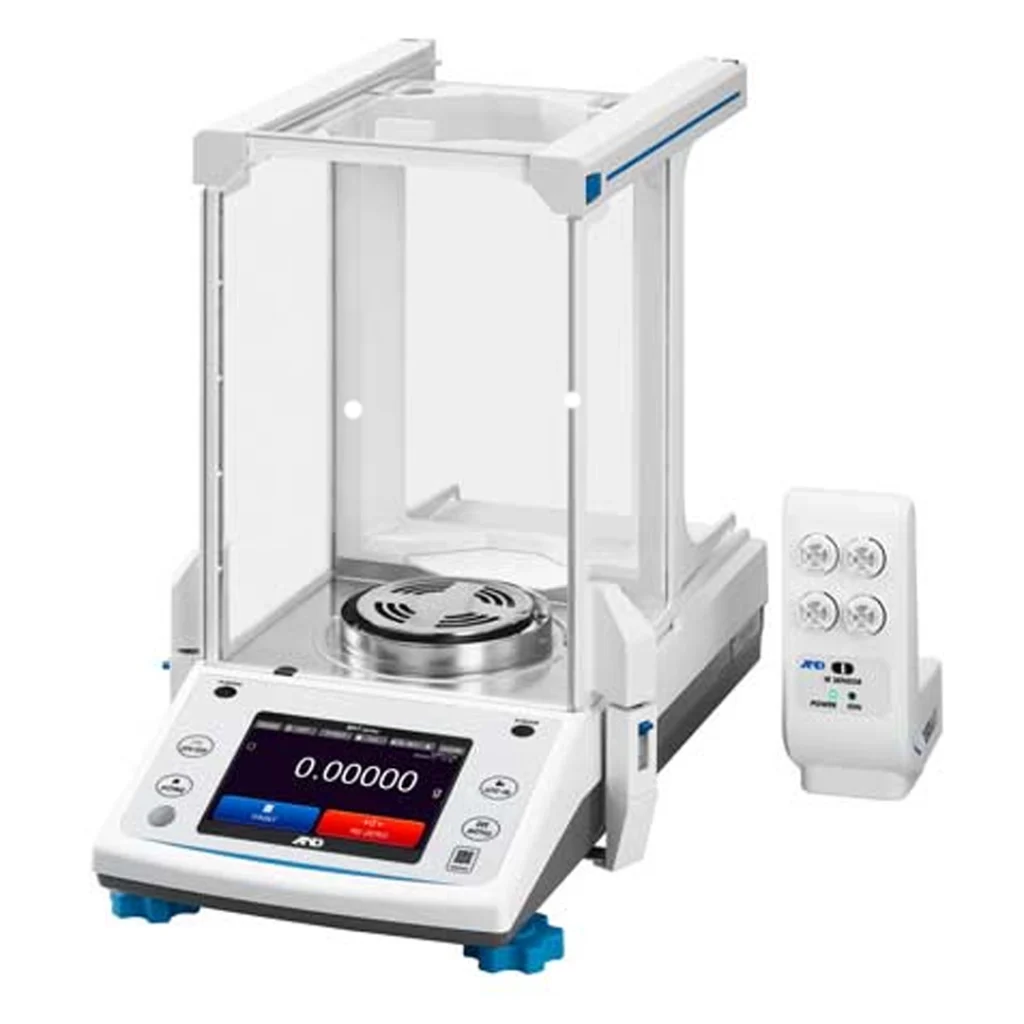
BH-T/BH-Series
Premium semi-micro and analytical balances with advanced sensor technology
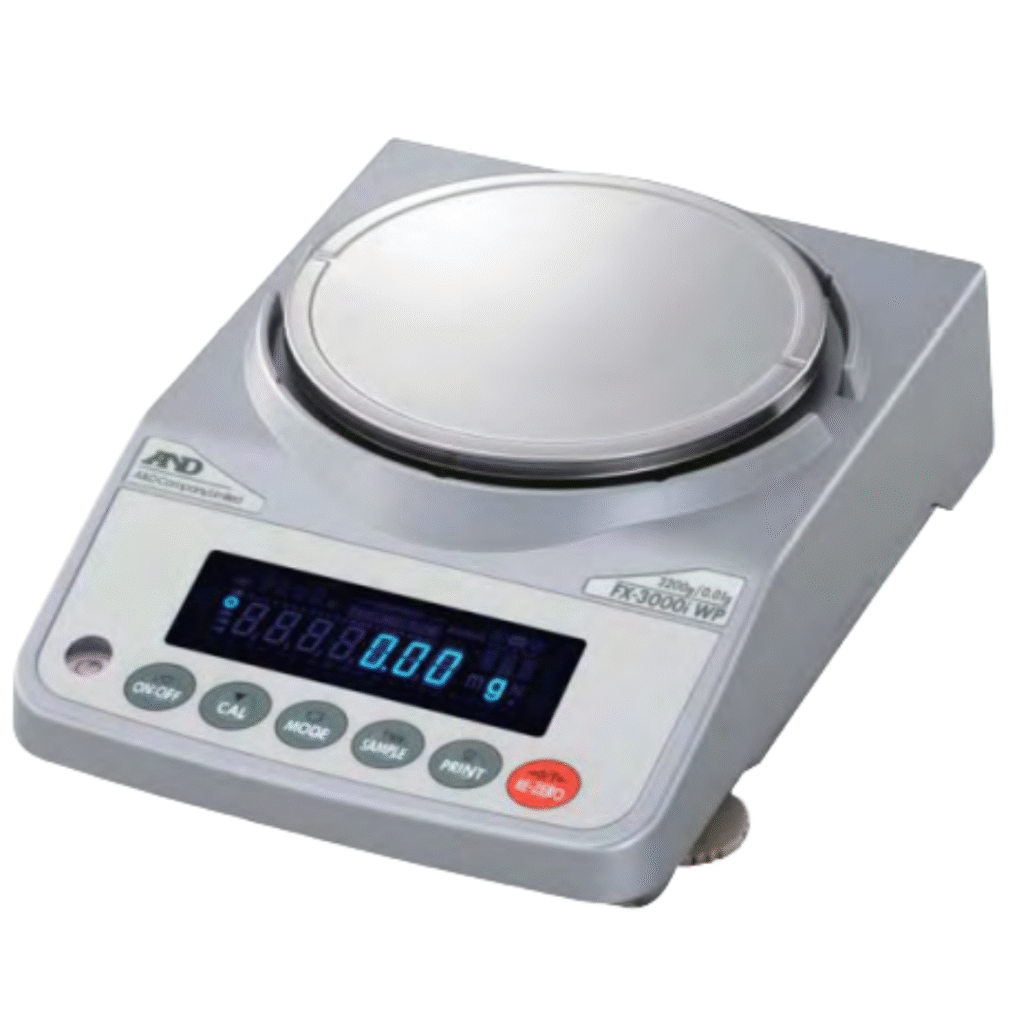
FX-i WP Series
Dust and waterproof precision balances with external calibration
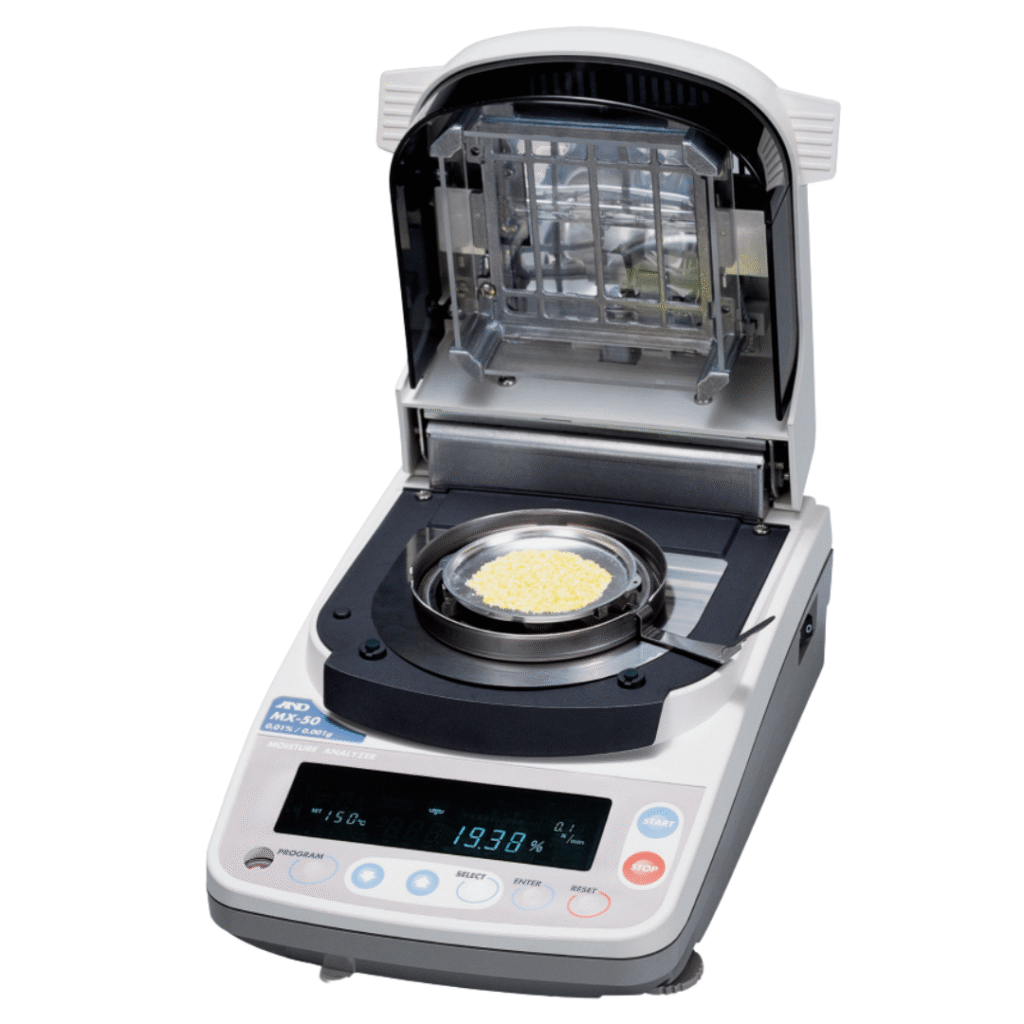
Moisture Analyzers
Moisture analyzers with straight halogen lamp and super hybrid sensor
How can we help you?
FAQ
Why is accurate weighing so important in the lab?
Precise measurements ensure reliable results in experiments and processes. Even small errors can lead to incorrect conclusions or compromised product quality.
Where should I place my balance for best results?
In a vibration-free room, away from drafts, electrostatic charges, and temperature fluctuations. Avoid placing it near windows, doors, or refrigerators.
How does lighting affect weighing accuracy?
What humidity level is recommended for weighing?
Maintain relative humidity between 45–60%. Avoid extremes outside the 20–80% range.
Should I keep my balance powered on all the time?
Yes. Keeping it connected to power and in standby mode helps maintain a stable internal temperature, improving consistency
How do I keep my balance in top condition
Clean the weighing chamber and pan regularly with a lint-free cloth and mild cleaning fluid.